Beauty is not just an aesthetic preference, it's a gatekeeper of human worth.
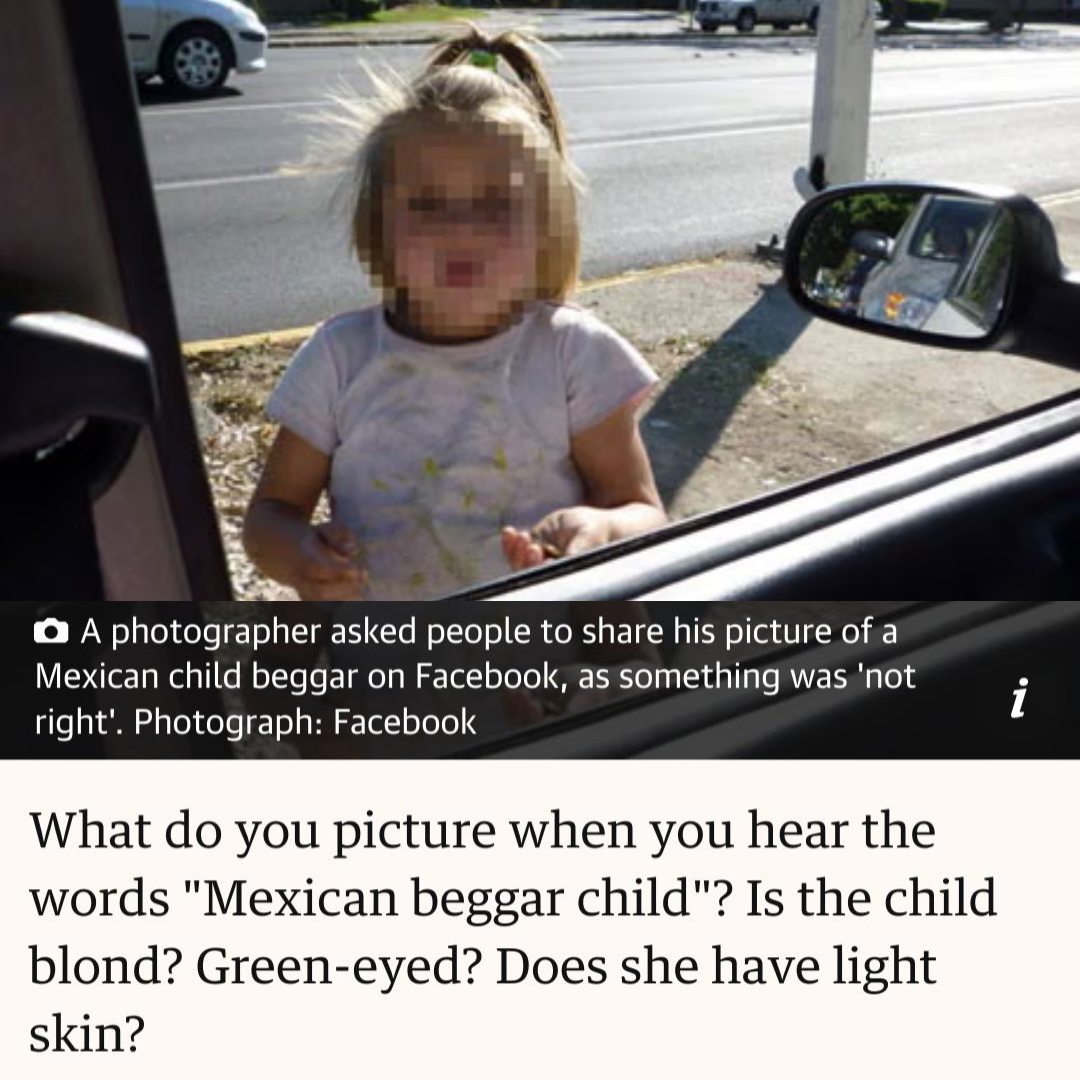
At a busy intersection in Guadalajara, Germán Álvarez photographed a little girl begging on the streets and uploaded it onto facebook.
"This girl is called Alondra, and they have her selling bubble gum…in front of the chamber of commerce…the strange thing is that her [alleged] 'parents' are brown, they have other children on that street corner and none looks like her. Please share this photo, to see if anyone out there knows her.” The photo of a blonde, green-eyed girl soliciting money on the streets of Mexico quickly went viral and sparked national controversy.
Alondra’s appearance unsettled the Mexican imagination. Poverty clings to bodies, it is expected to have a certain face, and hers didn’t fit. Her white skin suggested a destiny at odds with deprivation, she was seen as a child out of place. The brown-skinned children selling gum beside her went unnoticed, to be poor and brown is to occupy a socially “expected” place. Alondra’s features disrupted the story Mexicans tell themselves about who suffers and why.
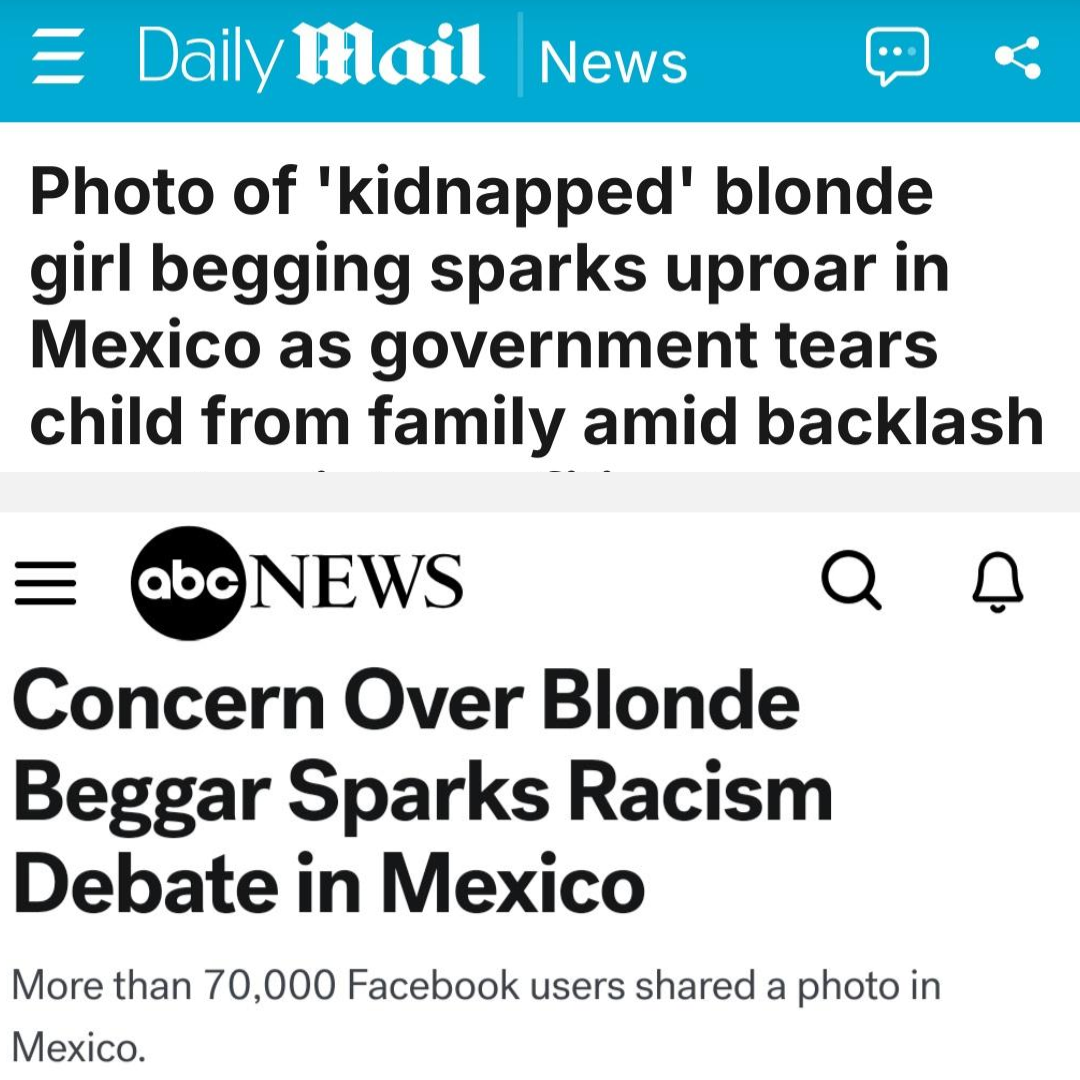
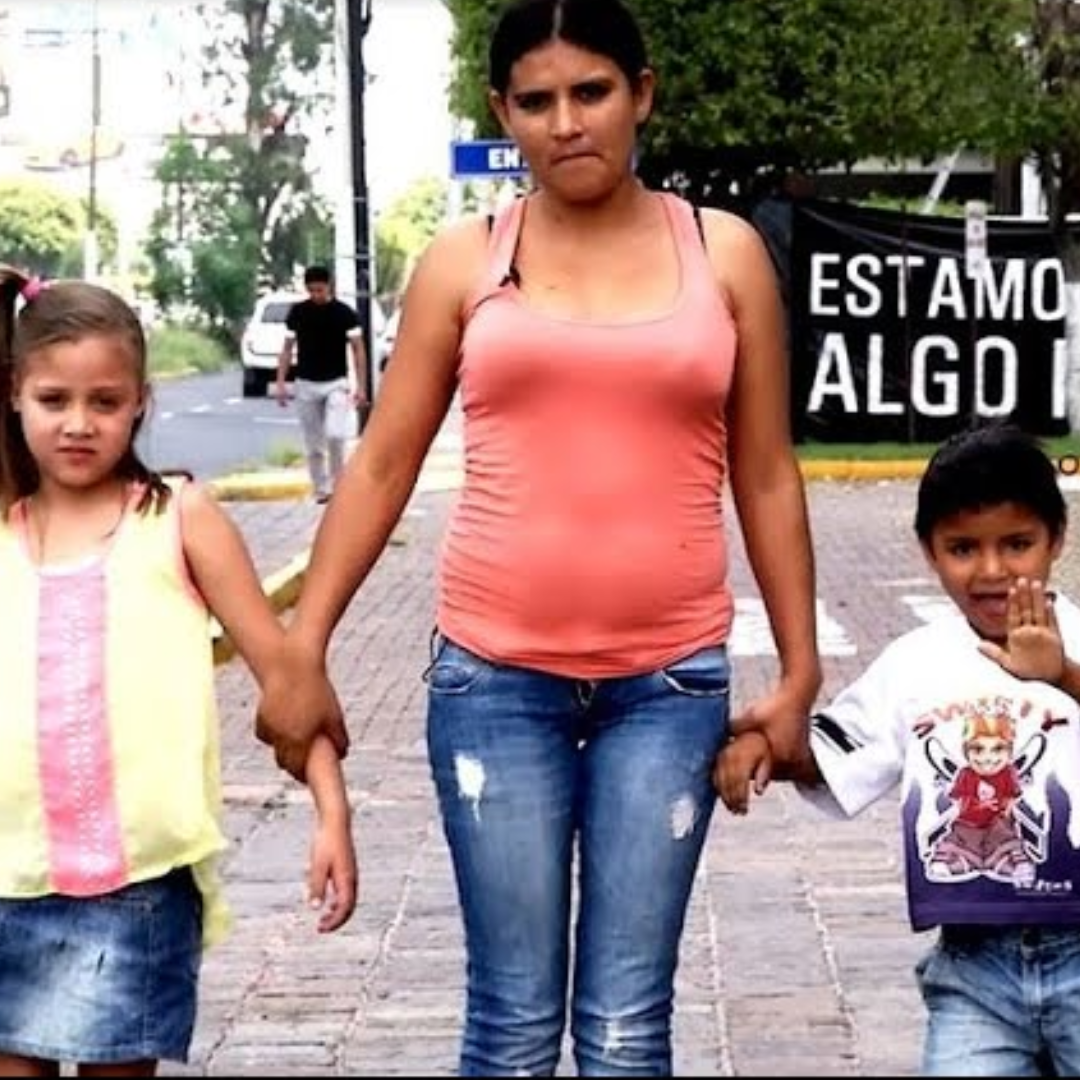
After the photo’s viral spread and media pressure, authorities intervened. Her mother Jiola was detained, and both Alondra and her brother were placed in an orphanage.
Jiola was threatened with sixty years in prison on kidnapping charges. She was even offered money to sell her daughter but she resolutely replied, ‘My daughter isn’t a puppy for sale.’
Staff from the children's home offered to return her son, but not her daughter. “They would tell me that if I wanted my son he could live with me, but not Lezly (Alondra) because she was very pretty and she had to live with a nice family.”
Physical traits carry social value, and in societies shaped by historical hierarchies, European features occupy the highest position. Perceptions of beauty affect moral judgment and dictate how society responds to those in need. The selective attention given to suffering shows that poverty is perceived unevenly, mediated by appearance, race, and social class.
Blondeness, in this context, became not only a marker of beauty but of presumed deservedness. While brown-skinned children were largely invisible, Alondra’s appearance triggered widespread concern and state intervention.
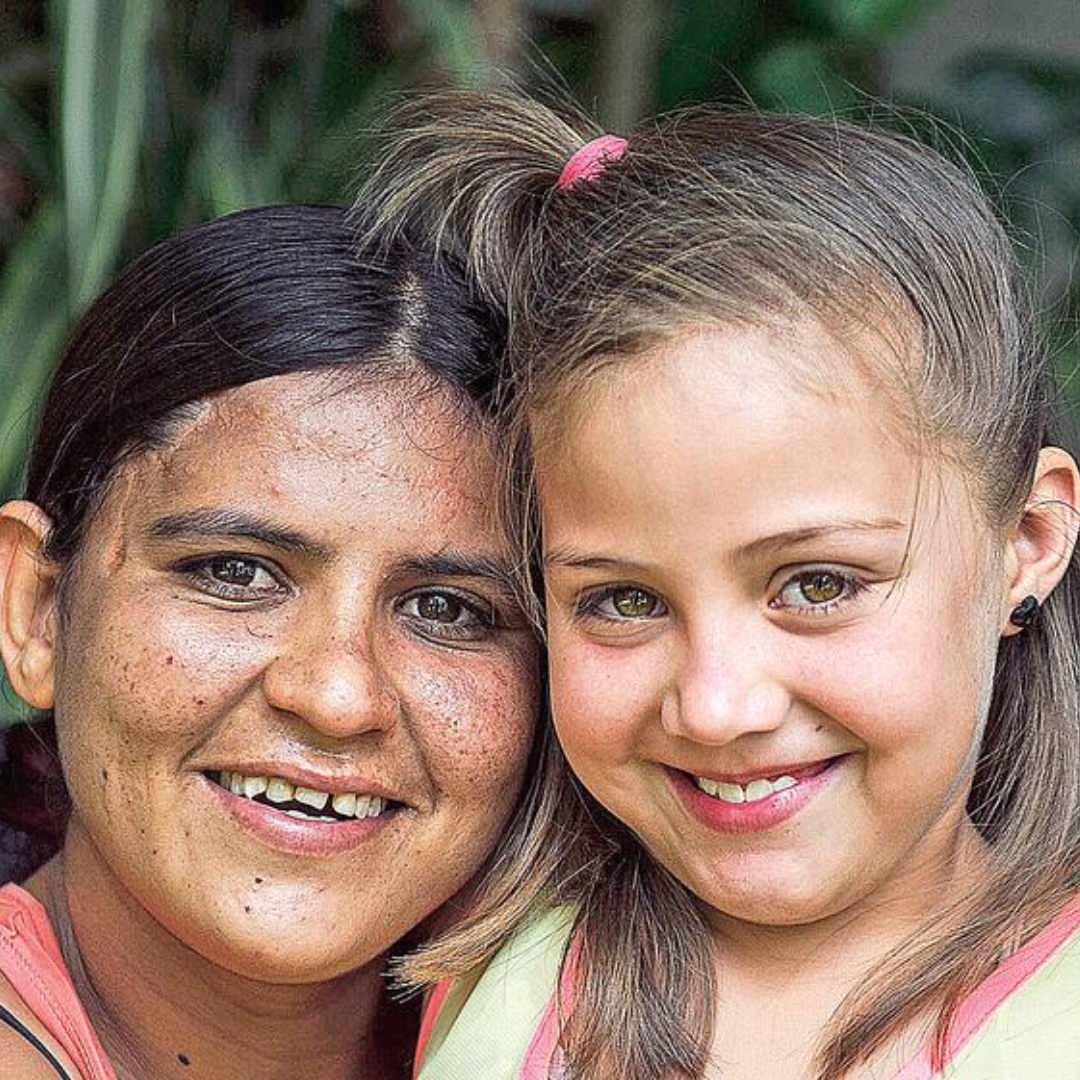
The deeper question is not why Alondra drew attention but why thousands of children like her do not. What does it mean that only when poverty wears a face coded as “beautiful,” as “European,” does society treat it as an intolerable injustice?
After a year of legal struggle and 9months in an orphanage, the children were finally returned to their mother. DNA tests confirmed that Alondra was indeed her daughter, and family testimony including the presentation of her grandmother’s birth certificate further validated her parentage. No evidence of kidnapping was found, and experts from the Institute of Forensic Sciences determined that the children showed no signs of mistreatment or abuse.
Alondra’s story exposes an uncomfortable truth: that beauty operates as a cruel filter through which society decides whose lives matter. Alondra's blondness made her suffering intolerable, but for countless others, poverty remains unremarkable, their lives absorbed into the routine misery society has already accepted.
How many children’s lives go unnoticed and unvalued simply because they are not deemed beautiful? How many are left invisible on the streets, ignored in classrooms, or overlooked by systems of care? They are not rescued or mourned. Their suffering blends into the background, naturalised and expected. If beauty can summon compassion, then its absence ensures abandonment.