Where is the line between loving someone and erasing yourself for them?
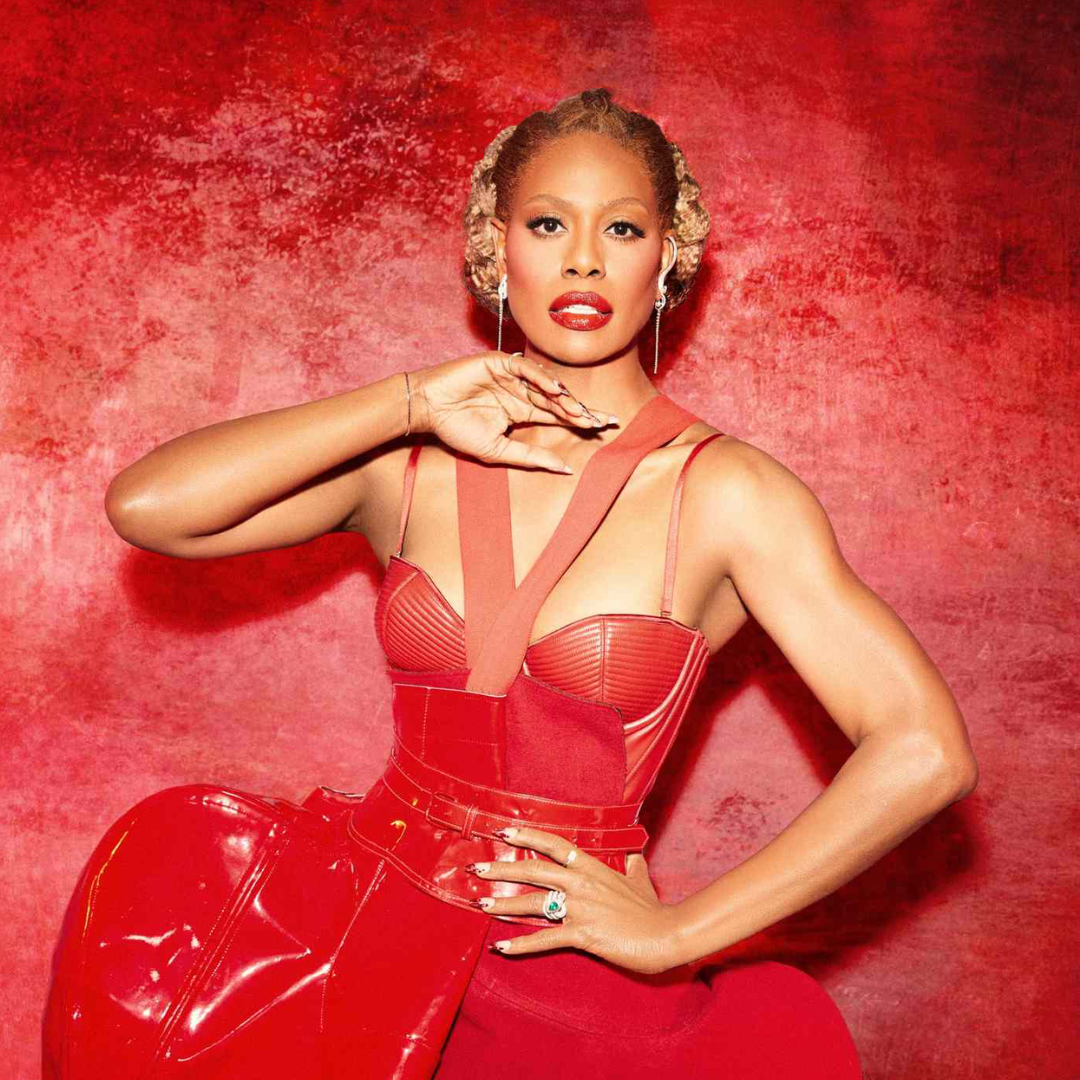
When Laverne Cox revealed that a former partner was a blond-haired, blue-eyed MAGA Republican voter and New York City police officer, the backlash was immediate. Many of us were bewildered. Others felt betrayed. How could a Black, transgender, politically progressive woman date someone aligned with values that threaten her very existence. She said they were “madly in love,” and emphasised that she never adopted his political views. But when someone votes against your right to exist, can love still be sacred?
“This dude was dating me, he was in love with me. He didn't want to erase me” Cox said. I fell in love with someone who voted for a fascist regime, but he was complicated.
...Things would come up and we would agree to disagree. The good things about the relationship were so good that I was willing to work with the politics that I don't agree with.....
Cox said the two of them broke up in March 2024, and as the election got closer, it "became more difficult to be magnanimous with him.Then, when some of his implicit racial biases "came out" towards the end of the relationship, "that was the end."
We are constantly told that love transcends politics. That it can cross the divides ofideology and culture, even morality.
But politics is only abstract if it does not govern your body. When your existence is political, love is political too.
The fantasy that romance exists outside ideology is largely available to those whose humanity is never up for debate.
For those of us who are queer, trans, Black, disabled, immigrants, or otherwise living at the margins of power, the personal has never been separate from the political.
Cox insisted that she didn’t adopt her ex’s politics. She challenged him, she listened, but she always stayed herself. And maybe that’s true. But what happens to our nervous system when the person lying next to us embraces a worldview that sees us as less than human?
There’s a difference between disagreeing about taxation and disagreeing about whether your partner deserves equality under the law.
If your relationship requires you to continually explain why your life matters, why your rights deserve protection, then that’s not love.
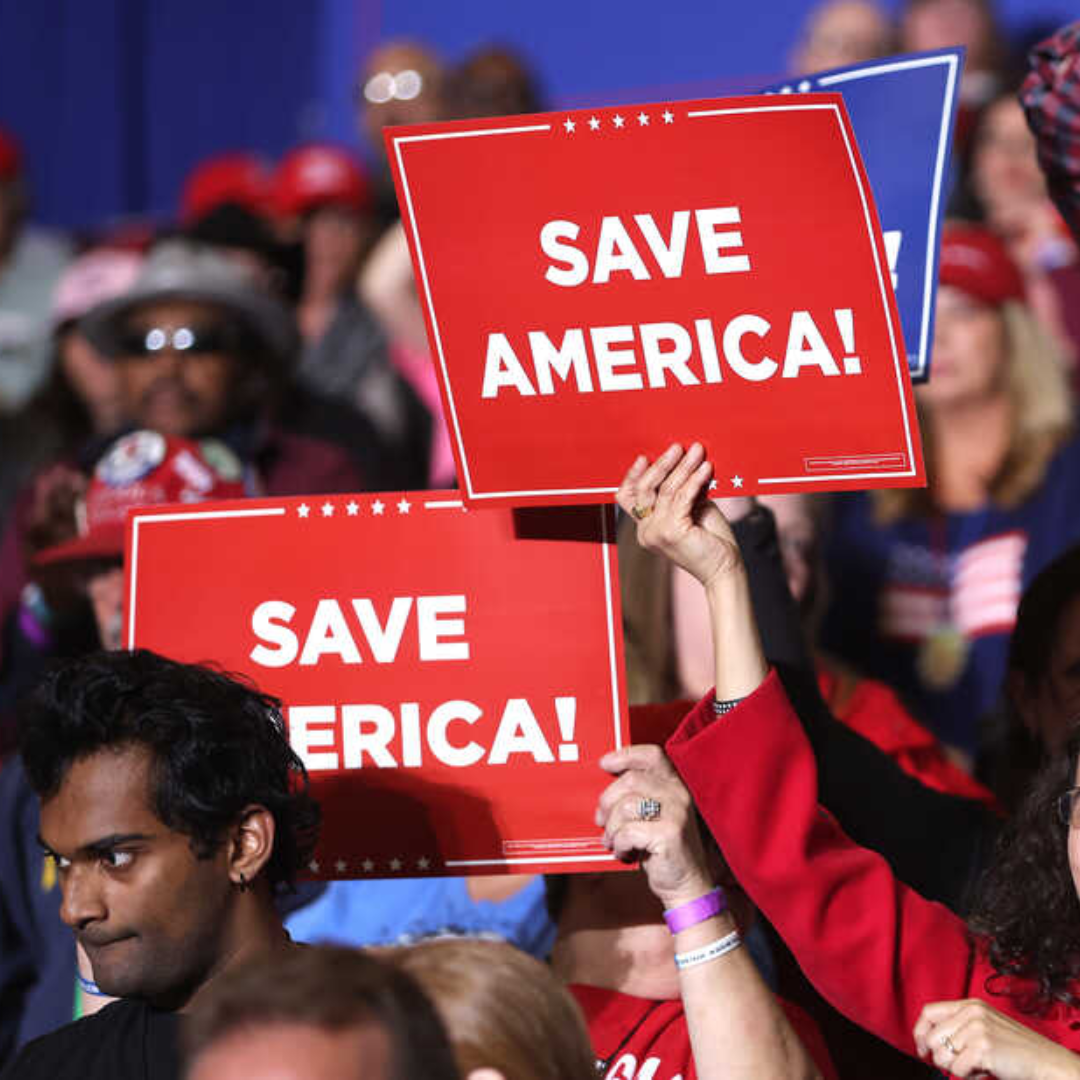
“...I wanted to give him the benefit of the doubt so I did. The way he grew up, the information he was consuming, I tried to give him grace.
I would understand that his facts were not facts, I would offer to look things up, and cross-reference sources.
Most of the people in his life believed the same things that he did, so he kind of enjoyed talking to someone who believed different things, it didn’t necessarily change his mind, but he enjoyed the banter of it all.
I was so in love, and the connection, was bigger than his ignorance around politics.”
Marginalised people are expected to educate. To understand. To remain compassionate. To be endlessly patient and endlessly forgiving. We have to prove that we’re bigger than the politics directed against us.
But not every difference deserves accommodation. Some beliefs aren’t harmless opinions, they are moral commitments with real-world consequences.
They legitimise exclusion, justify discrimination, normalise indifference to the lives of others. They shape the laws that govern our bodies, the healthcare we can access, the families we can build, the safety we can expect in public. Ideas are never just ideas. They leave marks on our bodies.

Did she remain, or did she diminish? Did she stay in that love and come out more fully herself, or come out less? We cannot know. Only Laverne can answer that.
But the question we should all ask of our own relationships is, ‘who am I becoming in this love?’ Am I becoming more expansive, more grounded, more myself? Or am I becoming smaller and less certain of my own worth?
Love should challenge us. It should stretch our assumptions and expose our blind spots, but it should never demand that we negotiate our humanity. Love may ask us to change, but it must never ask us to disappear.