Look, we have skyscrapers too! Look at our highways and luxury apartments. We're not what you thought!
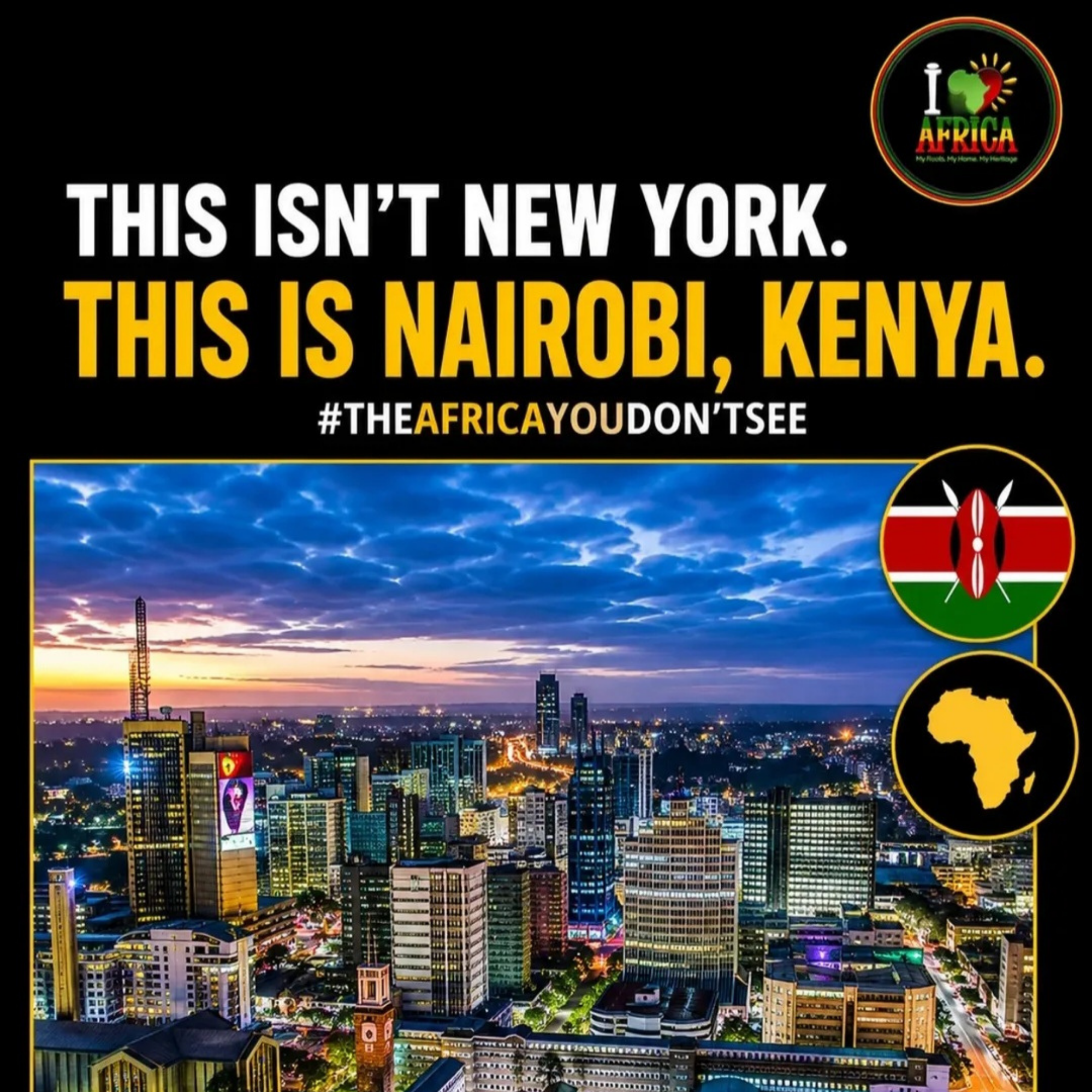
I’ve always hated that framing,
"The Africa you don’t see”.
It organises Africa around a Western gaze. What exactly are we trying to prove and why do we need them to see it?
We don’t owe anyone a performance of progress. Progress by whose measure? Toward whose vision of a good life? The West cannot even save itself. Why are these the people we look to for instruction on how to live? They are not worthy judges. Their approval should not organise our self-understanding.

We have been building for thousands of years. When the Portuguese captain Vasco da Gama first landed in Mombasa in 1498, he was astounded to find well-developed urban centres with buildings of “stone and mortar, with windows and terraces like those of Spain.” African architecture is sophisticated and environment-specific, Lamu still preserves one of the world's most remarkable traditions of coral stone architecture.
Buildings cooled themselves through courtyards that captured moving air and created shade long before mechanical air conditioning. Construction relied on materials that could be repaired, and returned to the earth by the communities that built them. Spatial arrangements encoded ritual, and cosmology. Homes were living structures that expanded, and evolved alongside families and communities.
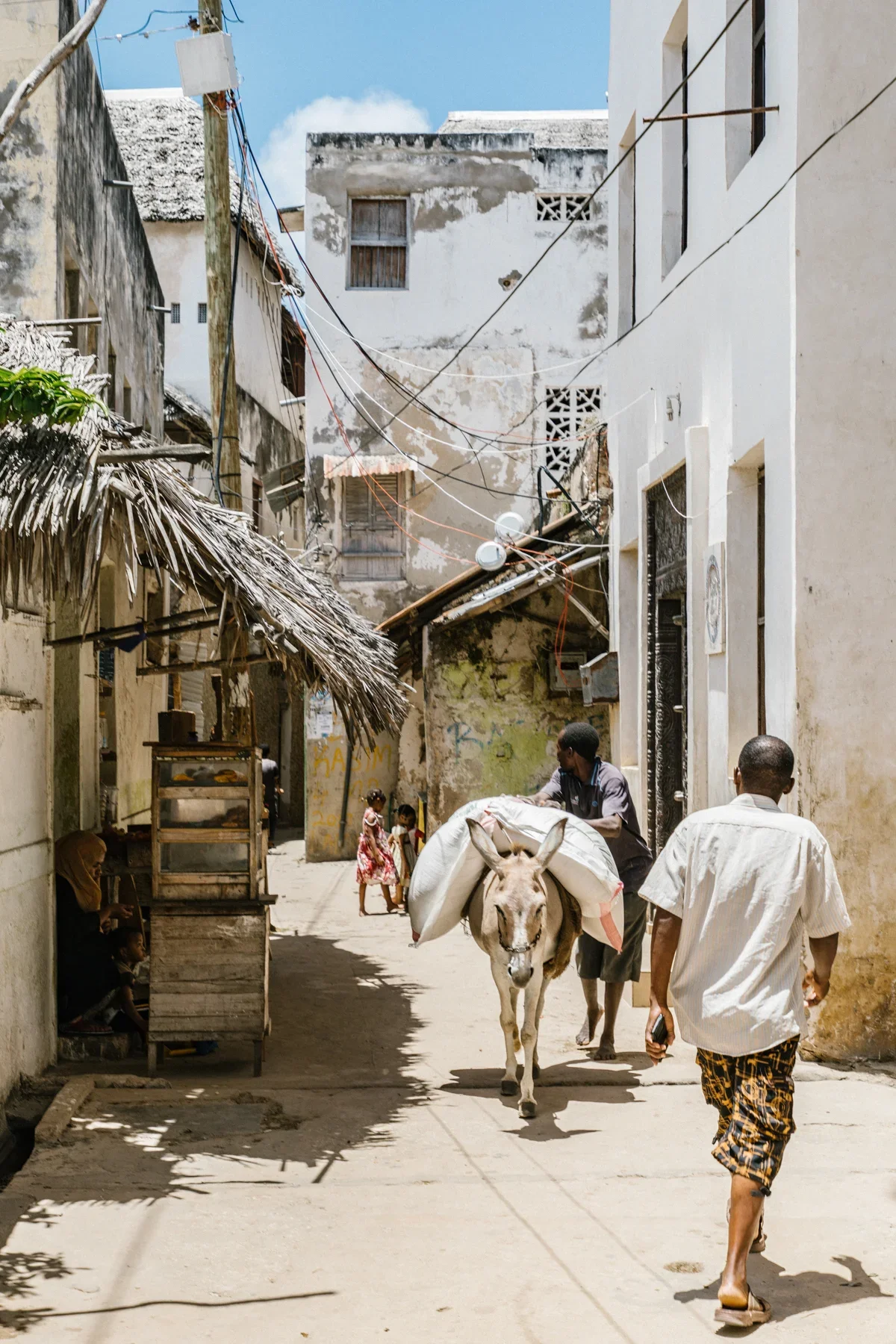
We carry centuries of architectural intelligence so why does our imagination of the future still have to be imported? Why does Kenya need skyscrapers to be “developed”? Why is “progress” stacking steel and reflective glass in equatorial heat?
African life is horizontal. It spills out of the house and into the community. It organises itself around the compound, the market, the shared outdoor space where children move between households and elders sit. It’s buildings that open onto each other. Streets narrow enough to talk across. Shared courtyards. Covered walkways that create shade and movement and encounter. African sociality needs ground. So why do we keep building up?
Precolonial Kenya was not underdeveloped. It was specifically developed. Developed for here, for this climate, for these people. We had agriculture and astronomy and trade and law and medicine and architecture and oral archives of extraordinary sophistication.
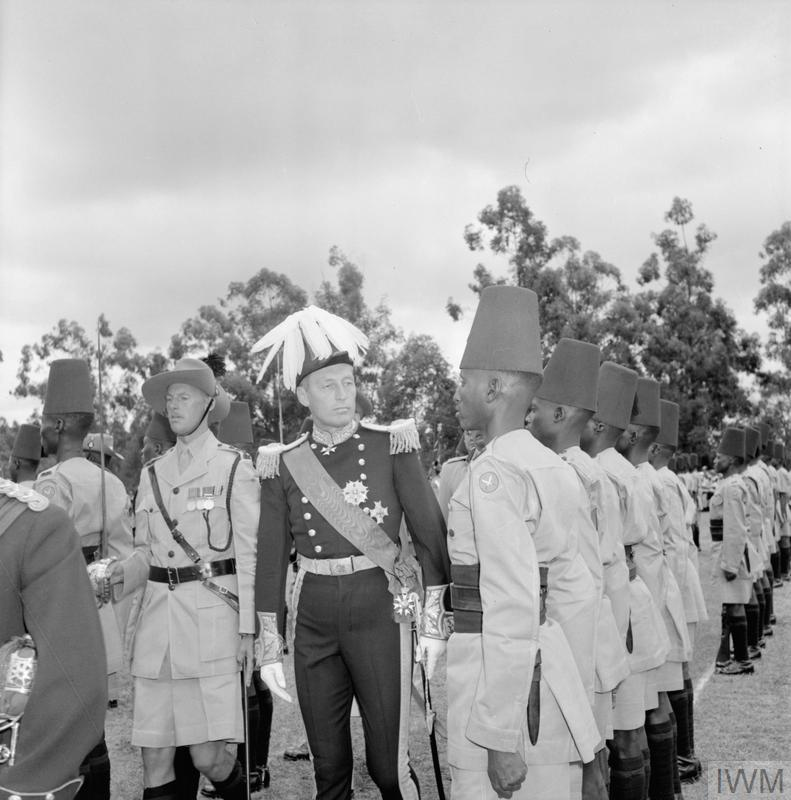
But the colonial project severed us from our own ways of knowing. Our possibility was interrupted. The cities that could have grown from what we knew about our own soil and our own sky were never built. We don’t know what that Kenya looks like and we have the right to mourn that.
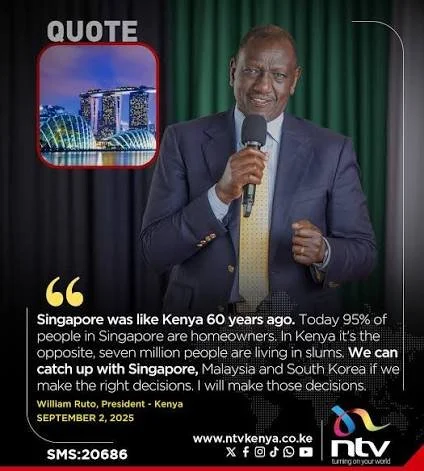
Our president is obsessed with Singapore. It’s held up as the model: clean, efficient, disciplined, developed. Every election cycle someone invokes it as proof that this is what Kenya could become if only we governed ourselves correctly. But what had to be destroyed to produce Singapore? Whose vision of life does it represent?
The answers are not in Singapore. Or in London or New York. They are here. In us. We have to stop looking elsewhere and turn around and face each other. To ask ourselves what it is we want, what do we think? What does a Kenyan city feel like when Kenyans design it for Kenyan life.
What does thriving look like when we are the ones defining it?
What is a good city for people with our ecology?
What is a beautiful building for people with our climate?
What is prosperity for people with our genius?
We have to decide collectively, from our own knowing, and on our own terms, what a life well lived looks like for a people with our history and our grief.